
The US has designated the Gulf Clan, Colombia’s largest and most powerful illegal armed criminal group, as a foreign terrorist organisation.
The notorious drug-trafficking militia with its roots in far-right paramilitary forces, is present in at least 20 of Colombia’s departments, and dominates people- and drug-smuggling routes through the Darién Gap. It has also battled unsuccessfully against leftwing rebels for control of criminal networks along the Venezuelan border.
In recent years, the group has attempted to present itself as a political movement similar to Colombian insurgent factions groups, which would grant it different conditions at peace talks, but it is not widely considered to have concrete political aims.
Related: Colombia identifies new threat in drug war: the autonomous narco drone sub
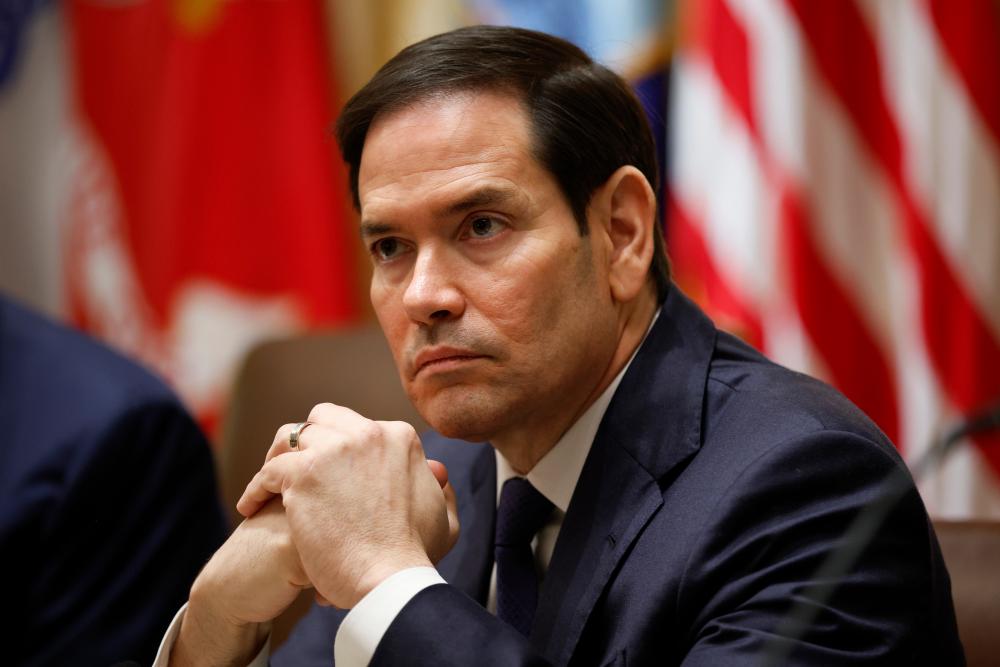
In a statement on Tuesday, the US secretary of state, Marco Rubio, described the Gulf Clan – which calls itself the Gaitanist Self-Defense Forces of Colombia (AGC) – as a “violent and powerful criminal organisation with thousands of members” whose “primary source of income is cocaine trafficking, which it uses to fund its violent activities”.
Although other criminal groups in Colombia – the world’s leading cocaine-producing country – have been designated as terrorist groups in the past, Tuesday’s ruling marks the first under the current administration of Donald Trump, which has targeted six cartels in Mexico and two in Venezuela.
The move is likely to exacerbate tensions between Trump and Colombia’s president, Gustavo Petro, who strongly opposes the US president’s pressure campaign against Venezuela and the deadly airstrikes that have killed more than 90 people off the coasts of both countries in the Pacific and the Caribbean.
The two leaders have traded public barbs for weeks. After warning that any country producing narcotics was a potential target – and singling out Colombia – Trump said last week that Petro “is going to have himself some big problems if he doesn’t wise up”.
Petro, in turn, warned Trump to “not wake the jaguar” with threats of military action.
The US has used its so-called war on drugs to justify the strikes on boats it alleges are ferrying drug shipments. Petro has described the attacks a “murder”. Early on Tuesday, the US Southern Command said it had carried out new strikes on three vessels near Colombia’s Pacific coast, killing eight people.
Other Colombian criminal organisations have been featured on the US foreign terrorist organisations list for years, including the National Liberation Army (ELN) and dissident factions of the Revolutionary Armed Forces of Colombia (Farc) that took up arms again after the 2016 peace agreement.
Some Colombian officials hoped that the Gulf Clan might be weakened by the capture and extradition to the US of its main leader in 2022. Instead, the group unleashed a campaign of terror, assassinating police officers and local leaders and holding large swaths of the country hostage.
The Gulf Clan is now engaged in halting talks with the government but is considered the main obstacle to Petro’s stumbling “total peace” plan to end the country’s many-sided armed conflict.