
The United Nations has launched its 2026 appeal for aid by asking for just half the amount it says it needs, despite humanitarian needs globally being at an all-time high.
The international institution appealed for $23bn on Monday, while acknowledging that, due to a plunge in donor funding, the figure would shut out tens of millions of people in urgent need of help.
The UN had originally sought $47bn for 2025, but later revised the figure as aid cuts by the new administration in the United States and followed by other major Western donors, including Germany, became clear.
By November, it had received just $12bn – the lowest in a decade – covering just more than a quarter of its stated needs, leading it to prioritise only the most desperate.
The UN said the situation remains desperate amid increased instability and conflict across the globe.
‘Overstretched, underfunded, and under attack’
Aid agencies are also facing security risks in conflict zones in addition to the funding cuts, warned UN aid chief Tom Fletcher.
“We are overstretched, underfunded, and under attack,” he said. “And we drive the ambulance towards the fire. On your behalf. But we are also now being asked to put the fire out. And there is not enough water in the tank. And we’re being shot at.”
Fletcher chided international “apathy” despite the widespread suffering he had seen on the ground in 2025, and said the institution faces “brutal choices”.
The UN’s plan for 2026 identifies 87 million people deemed as priority cases whose lives are on the line.
Yet the institution says about a quarter of a billion need urgent assistance. It said it will aim to help 135 million people at a cost of $33bn – should it have the means.
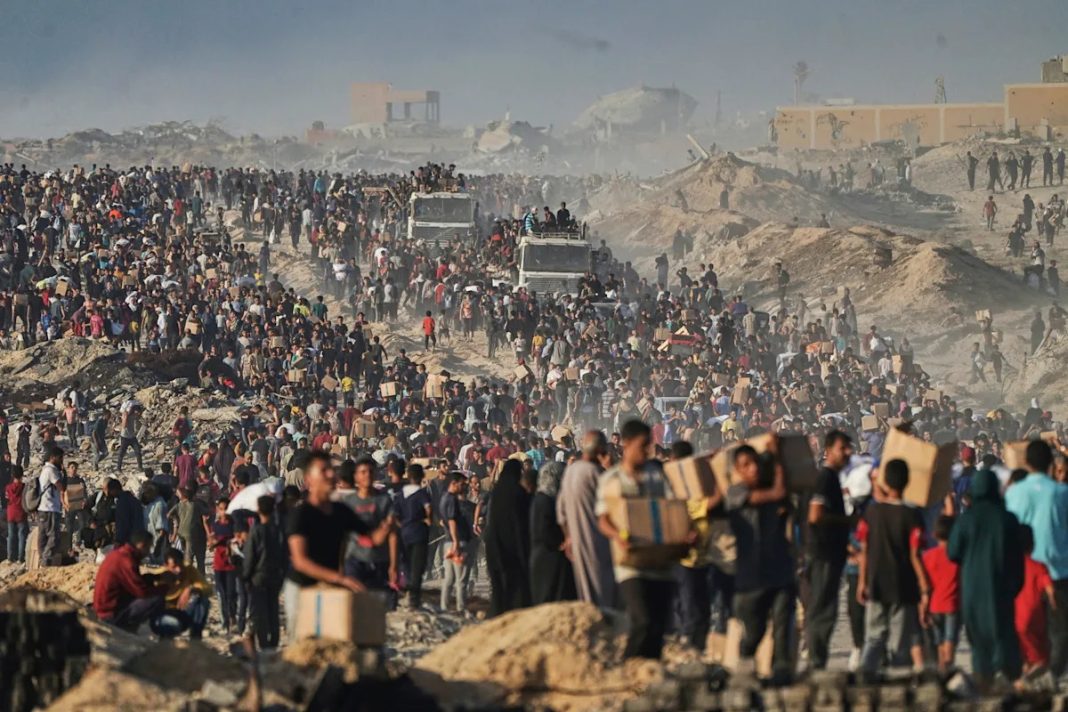
The biggest single appeal of $4bn is aimed at the occupied Palestinian territory. Most of that sum is tagged for Gaza, devastated by Israel’s genocidal war, which has left nearly all of its 2.3 million inhabitants homeless and dependent on aid.
The second priority is Sudan, followed by Syria.
“(The appeal) is laser-focused on saving lives where the shocks hit hardest: Wars, climate disasters, earthquakes, epidemics, crop failures,” said Fletcher.
The world body estimates that 240 million people in conflict zones, suffering from epidemics, or victims of natural disasters and climate change are in need of emergency aid.
If the UN comes up short on funding again, Fletcher predicts it will widen the campaign to appeal to civil society, the corporate world and the public at large.
UN humanitarian agencies are overwhelmingly reliant on voluntary donations by Western donors, with the US by far the top historical donor.
Data from the institution showed that the US remained the biggest fund provider in 2025, despite the cuts implemented by President Trump, but its share shrank from more than one-third of the total to 15.6 percent.