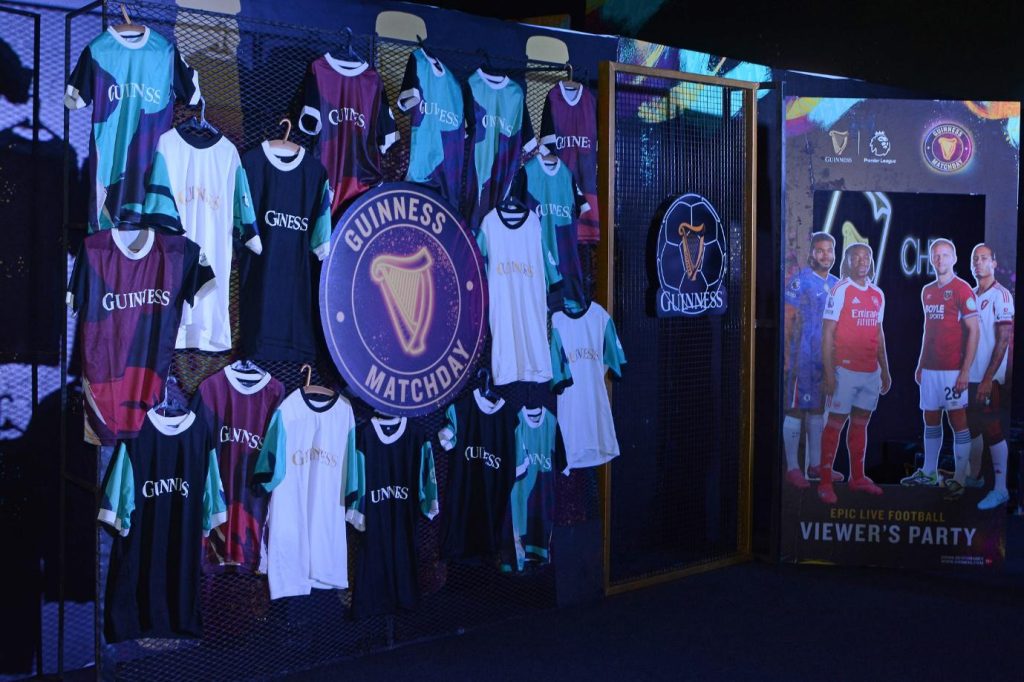

Over the weekend, two Nigerian cities, Owerri and Abuja, became pilgrimage grounds for football faithful, as Guinness staged a sweeping, high-energy celebration of football, culture, and community. What unfolded was more than a football viewing; it was a portrait of how a brand has mastered the choreography of fandom, building on its cultural currency to orchestrate gatherings that feel both spontaneous and meticulously engineered.
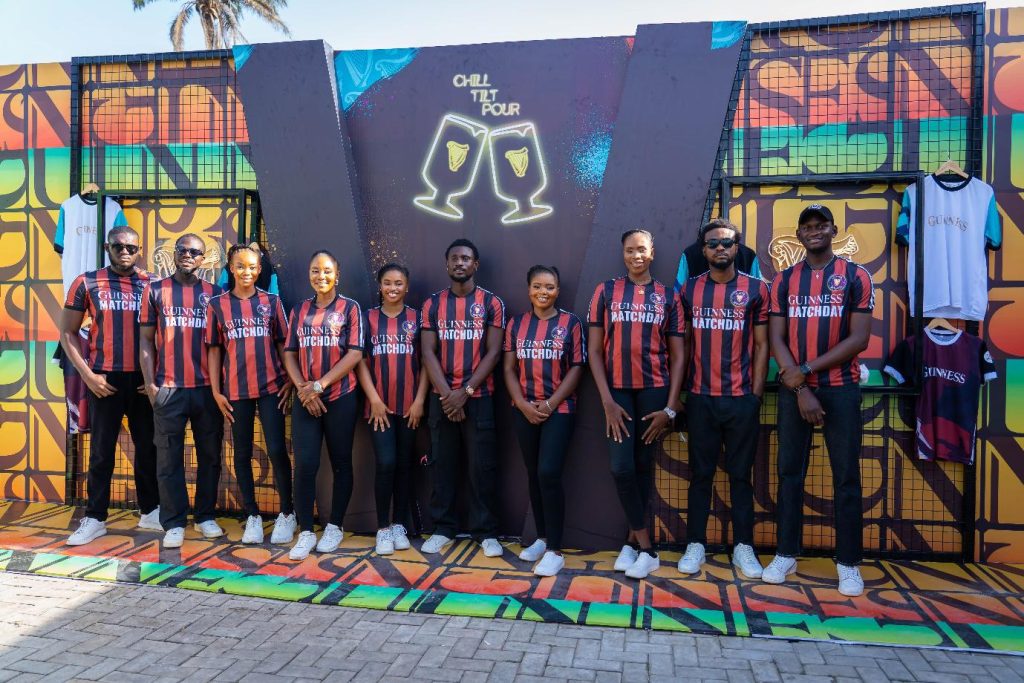
In Owerri, the sun dipped lazily behind the city’s skyline on Sunday evening, but the Landmark Event Centre on Concorde Road was already throbbing with life. For hours before the first whistle of the Chelsea vs. Arsenal Premier League match, thousands of fans drifted in – football fans, friends, young thrill-seekers, old loyalists, blending into what became a spirited mosaic of anticipation. By kick-off, the atmosphere had taken on the tenor of a festival.
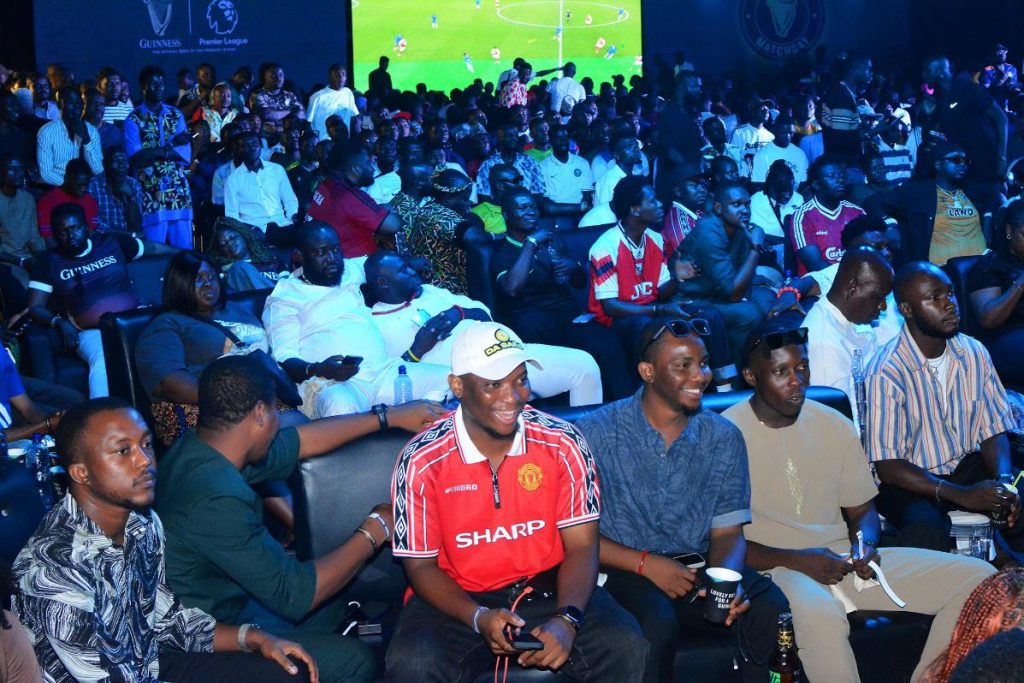
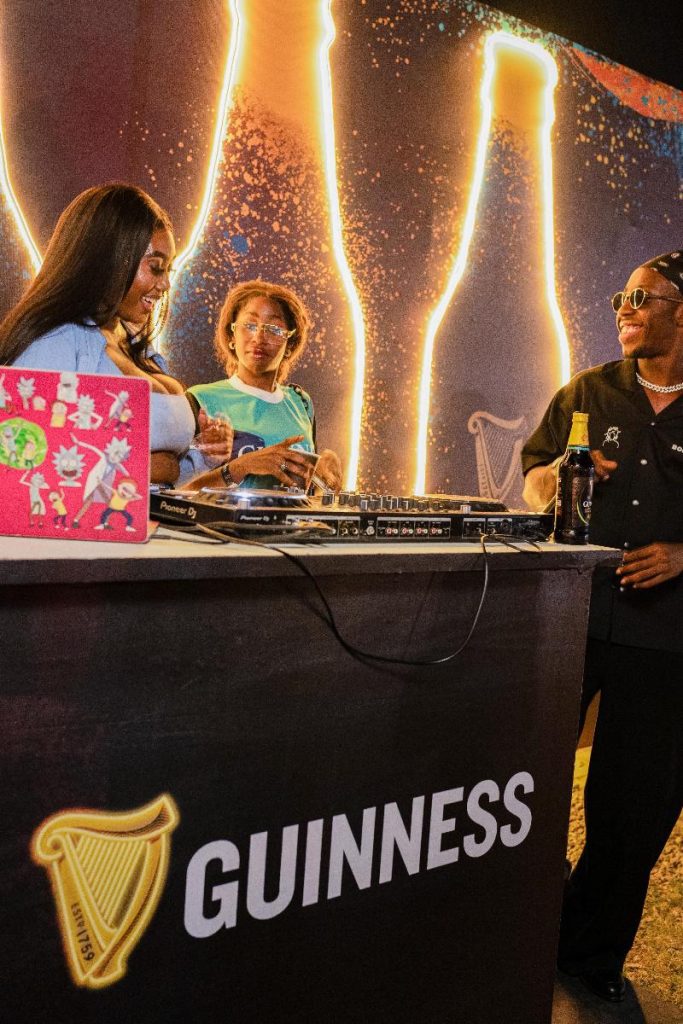
Guinness knows how to create a mood. The air carried the unmistakable chill of ice-cold Guinness, the type that Nigerians, across age groups and football tribes, have come to associate with camaraderie and free-spirited celebration. Giant screens lit up the hall, DJs cycled through sets that swung between adrenaline and nostalgia, and hype men finessed the crowd into a unified pulse.
The Predict & Win contest sparked friendly rivalry and loud laughter; first-timers like Tessy Nwafor left in awe, calling it “a well-spent evening.” For Owerri resident and father of three, Marcel Okorie, it was the kind of Sunday outing that reminded him that football is, at its core, a native sport in Nigeria.
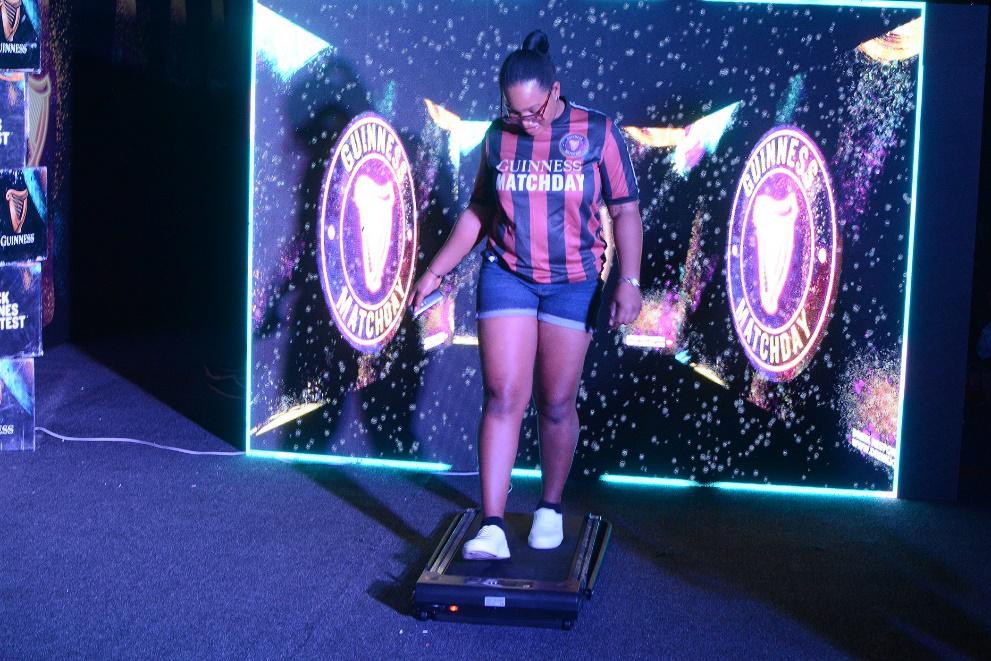
By the time the final whistle sounded, Ife Odedere, Senior Brand Manager for Guinness Trademark, was visibly pleased. “Guinness Match Day is designed to give fans an epic viewing experience beyond just football,” he said. His words captured the philosophy behind the Guinness Match Day phenomenon: football viewing isn’t just mass entertainment, it’s a cultural event.
If Owerri was spirited, Abuja was volcanic.
At Papiee’s Meatro along the bustling Jahi Expressway, the city’s multicultural pulse converged in the colours of Chelsea blue, Arsenal red, and Liverpool burgundy. Even before the match began, it was clear that Abuja’s iteration of Guinness Match Day would be defined by intensity. The screening became a canvas for raw emotion, a mass choir cheering, gasping, and bickering in full-throated unison.
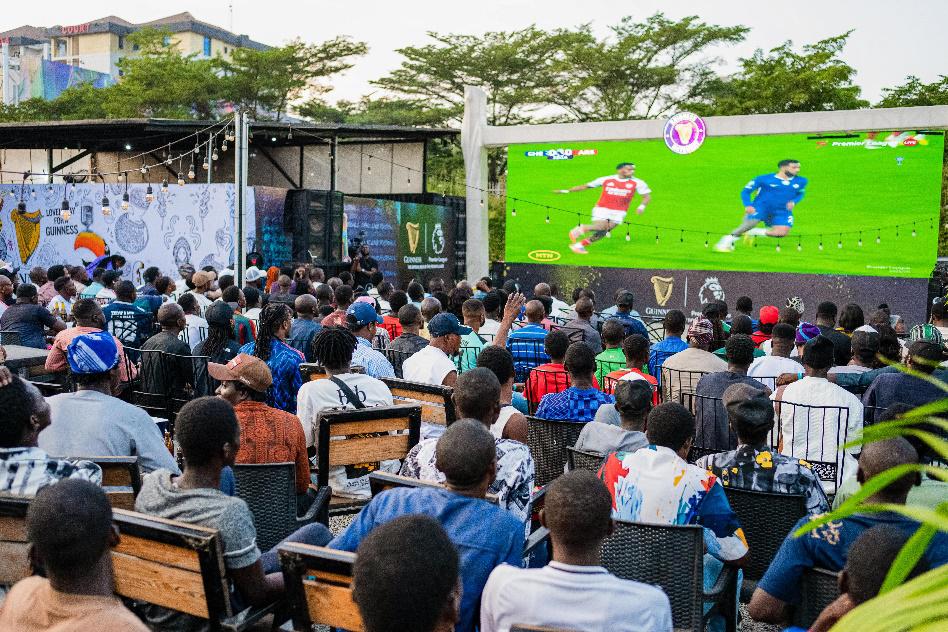
The North London Derby, beamed live from Stamford Bridge, provided all the drama expected of one of football’s most unpredictable fixtures. But the real spectacle was the room itself: a cauldron of banter and tribal football loyalty, amplified by Guinness’ trademark theatrical staging – DJ rotations, influencer drop-ins, interactive games, giveaways, and a curated ambience that seemed to bottle the energy of an actual stadium.

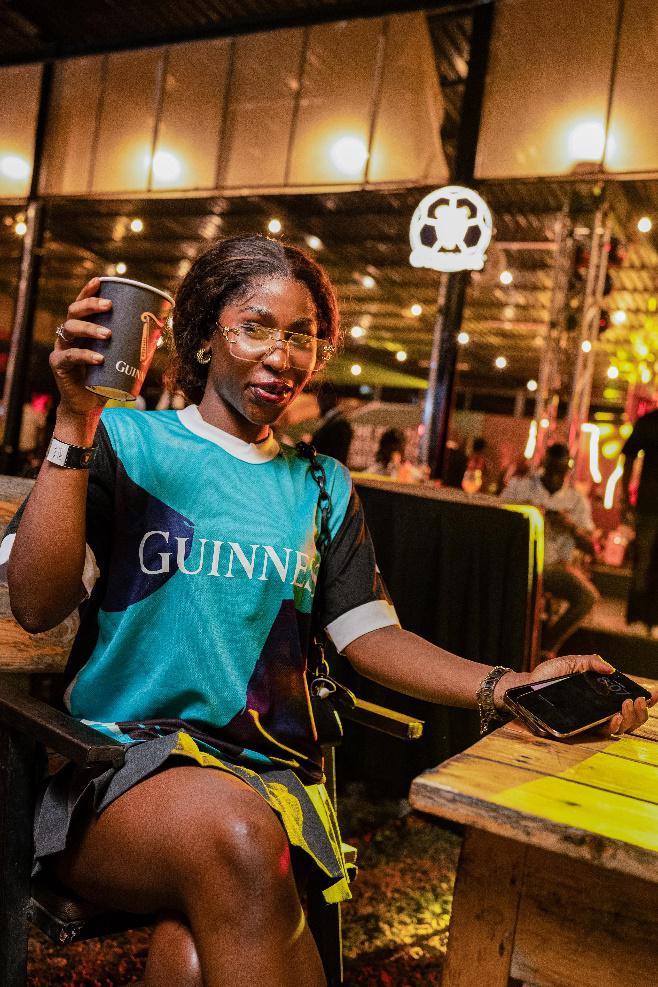
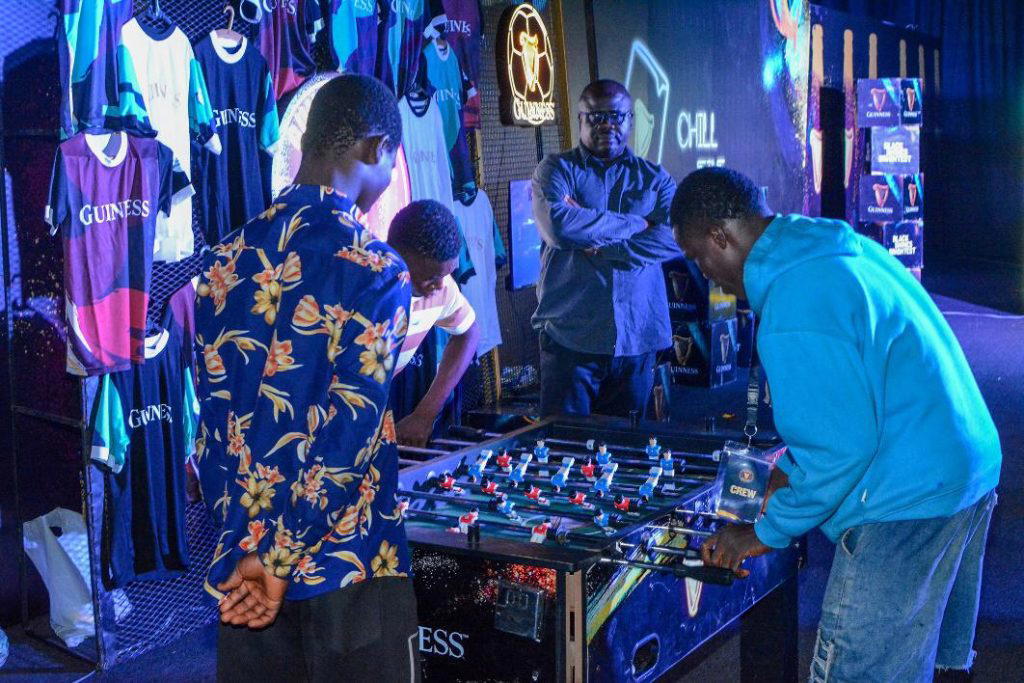
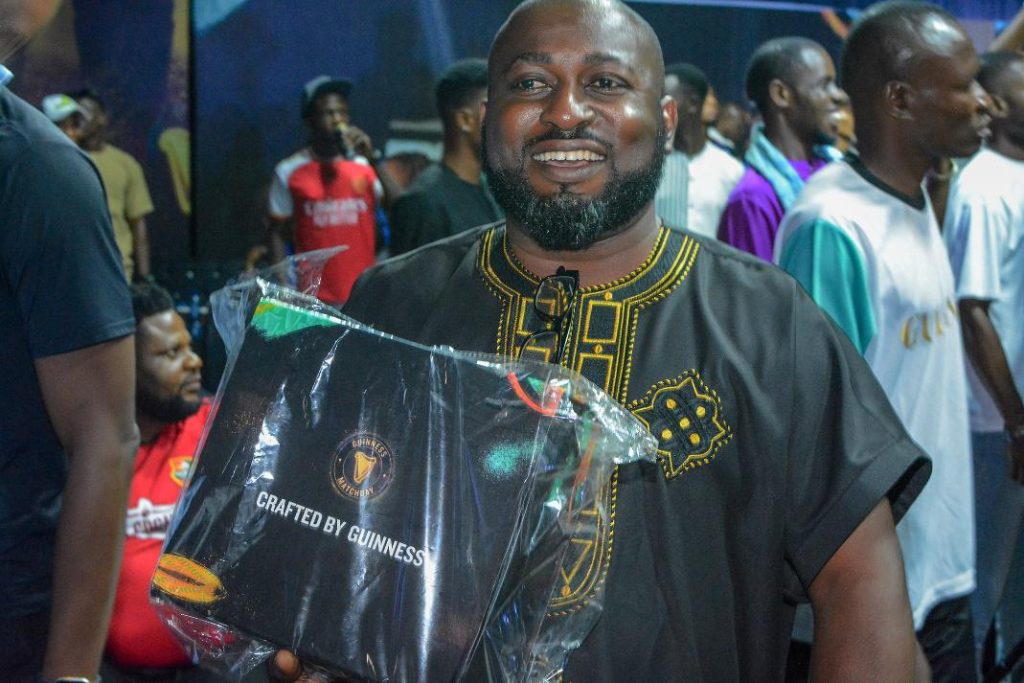
For Guinness, Abuja wasn’t just another viewing centre; it was a flagship moment in an expanding nationwide rollout designed to reshape how Nigerians consume football. Yinka Bakare, Marketing and Innovations Director at Guinness Nigeria, summed it up succinctly: “It’s about bringing fans together to celebrate the game with energy, community, and, of course, the bold taste of Guinness.”

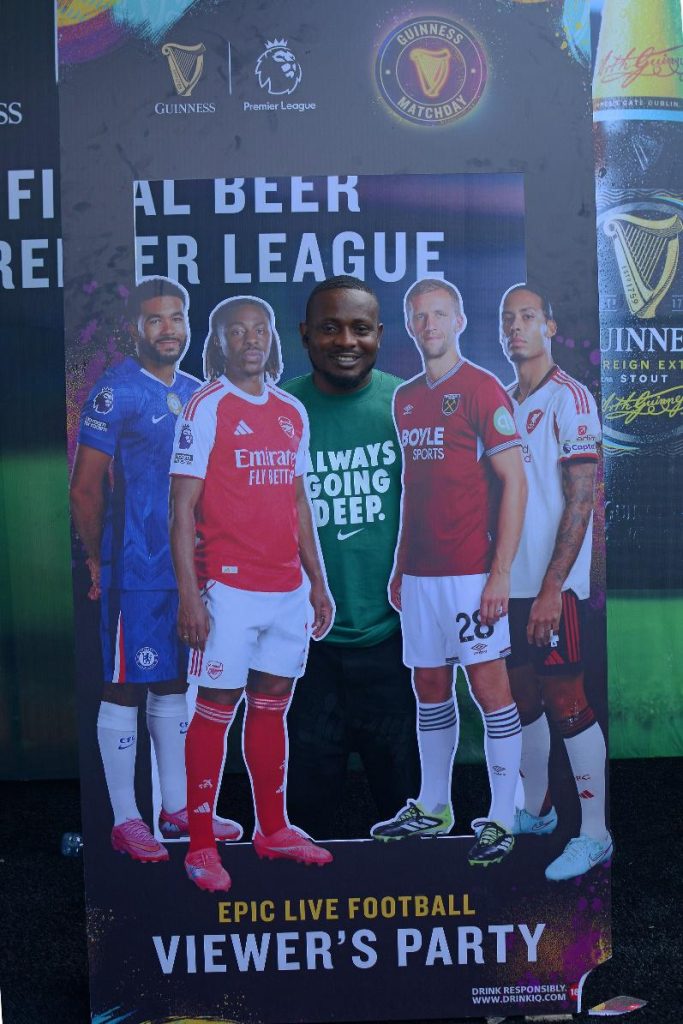
In both cities, the events underscored something more profound: Guinness isn’t just chasing visibility – it is entrenching itself in the rituals that animate Nigerian social life. From the wildly successful Premier League Trophy Tour earlier in the season to the ongoing series of Epic Match Day watch parties scheduled from October through December, the brand is threading itself into the heart of football culture, turning each match into a communal memory.
What Guinness has achieved feels almost anthropological. It recognises that in Nigeria, football is not merely a sport; it is a binding force, a weekly sacrament, a language spoken across class, tribe, and city. And so, it builds environments where people can gather under one roof, argue, laugh, sip stout, and leave with a story to tell.
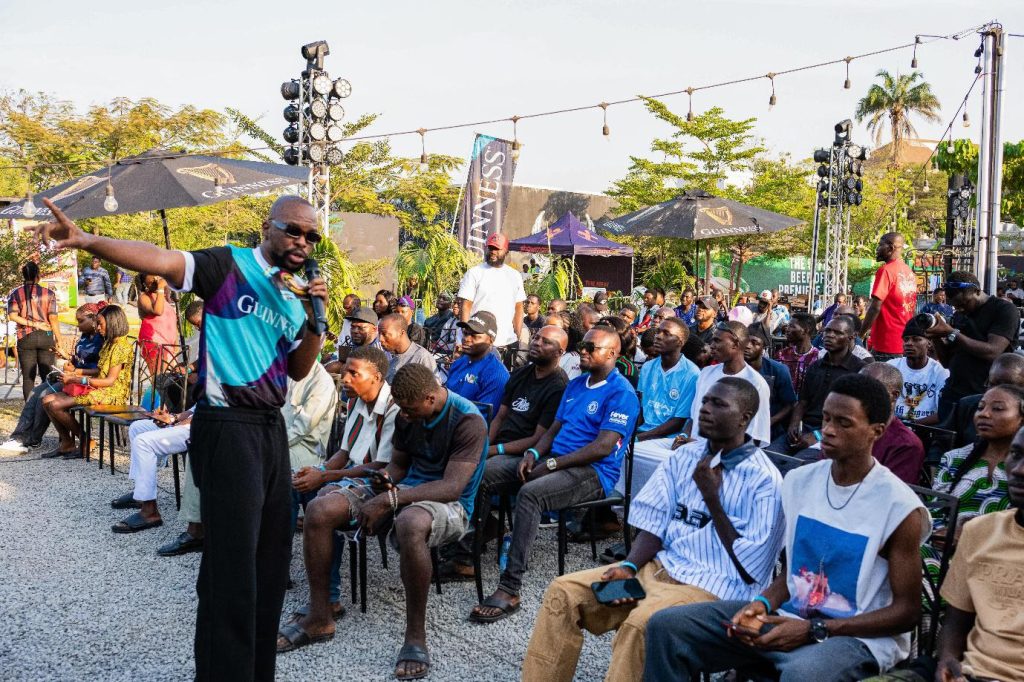
By the time Abuja’s crowd sauntered into the night, still buzzing from the afterglow of fandom and music, the pattern was unmistakable. From Owerri, the heartland of entertainment, Guinness did not just host match-day events; it curated cultural experiences that echoed the soul of Nigerian football passion.
In a country where the weekend’s biggest match often decides the mood of an entire Monday, Guinness has built a platform that turns every fixture into a celebration of identity, belonging, and collective energy. It is football, yes, but made bolder!
The post From Owerri to Abuja: Guinness Turns Premier League Weekend into an Epic Match Day Takeover appeared first on Vanguard News.