
The Nigerian tax system has undergone significant transformation in recent years, driven by the need to modernise tax administration, eliminate obsolete provisions, and enhance revenue generation for sustainable economic development.
Not surprising, a number of comprehensive tax legislations, the Nigeria Tax Act 2025, Nigeria Tax Administration Act 2025, Nigeria Revenue Service (Establishment) Act 2025, and the Joint Revenue Board of Nigeria (Establishment) Act 2025, were enacted. However, recent revelations surrounding the new tax laws scheduled to commence in January 2026 have cast a long and troubling shadow over these reforms.
The finding that versions of these laws gazetted and released to the public differ materially from those passed by the National Assembly and assented to by the president is deeply alarming. Substantive provisions were inserted, deleted, or modified with several oversight, accountability, and reporting mechanisms approved by both Chambers removed in the final Acts
Moreover, new coercive and fiscal powers like powers to arrest without court order, compulsory USD computation and security deposits, appeared without legislative approval. This development strikes at the very heart of constitutional governance.
Beyond the technicalities of tax administration lies a fundamental question: who makes the law in Nigeria; the people’s elected representatives, or the executive acting unilaterally?
The 1999 Constitution is unequivocal. Sections 4 and 58 vest law-making powers exclusively in the National Assembly. Once a Bill is passed and transmitted for assent, the legislative process is complete. The Executive has no constitutional authority to alter the text thereafter. The Executive may issue regulations to implement laws, but delegation is not substitution. Regulations must remain strictly within the four corners of the enabling statute.
Nigeria’s appellate courts, including the Supreme Court, have affirmed in many case laws that the Executive cannot exercise powers not granted by the Constitution. So, any alteration of a Bill after passage amounts to an unlawful usurpation of legislative power. The implications are profound. Tax laws are statutory and must be certain and predictable. Legal certainty is the lifeblood of any credible tax system.
Investors, businesses, and citizens must be able to rely on the text of the law as duly enacted. If statutory provisions can be altered after passage, certainty collapses, compliance becomes arbitrary, and disputes inevitably multiply. Courts are then forced to resolve conflicts that should never have arisen. More troubling still is the precedent this sets. Today it is tax law; tomorrow it could be electoral rules, criminal sanctions, or fiscal transfers. Normalising executive alteration of statutes opens the door to governance by convenience rather than by consent. When laws are changed without representation, citizens are effectively taxed and governed without their consent.
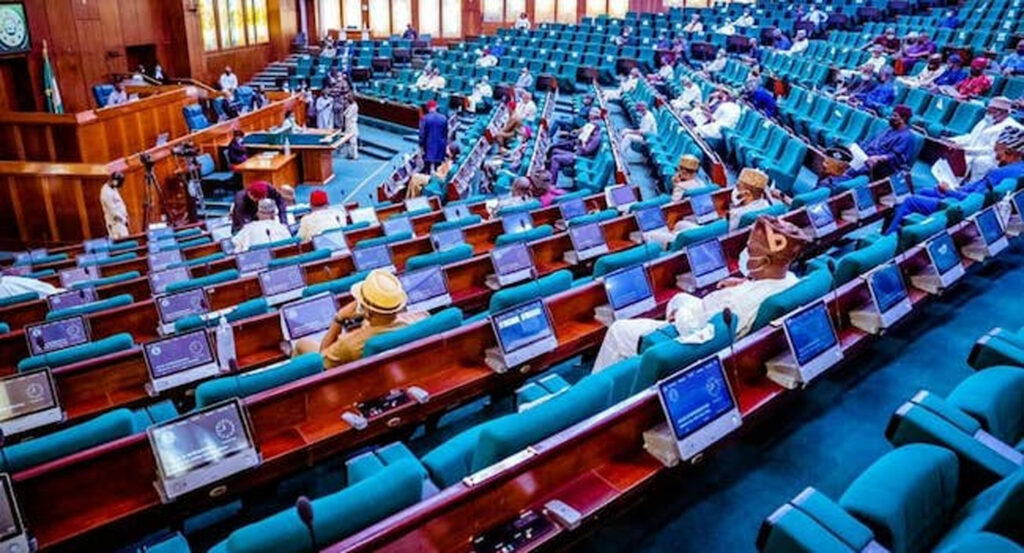
Safeguards must now be urgently strengthened. The National Assembly must assert its constitutional authority by demanding a full accounting of the legislative history and the exact text of the copy passed and signed by the Clerk of the National Assembly.
Nigeriams deserve to know who in the Executive received the copy from the Clerk of the National Assembly.
If called upon, the judiciary must reaffirm the principle that only duly enacted provisions have the force of law, applying the timeless maxim ‘ex nihilo nihil fit’ (nothing valid can arise from an invalid origin).
Civil society, professional bodies, and the Nigerian public must also remain vigilant. Democracy is not sustained by elections alone; it is sustained by process, transparency, and respect for the rule of law. Nigeria cannot afford a breach of this magnitude. The integrity of the legislative process must be defended, firmly, openly, and without compromise.
The post Dangers in altering statutory provisions after passage appeared first on Vanguard News.